
The Importance of Investing in Quality Audio Equipment
By Beatriz Lindgren · · 5 min read
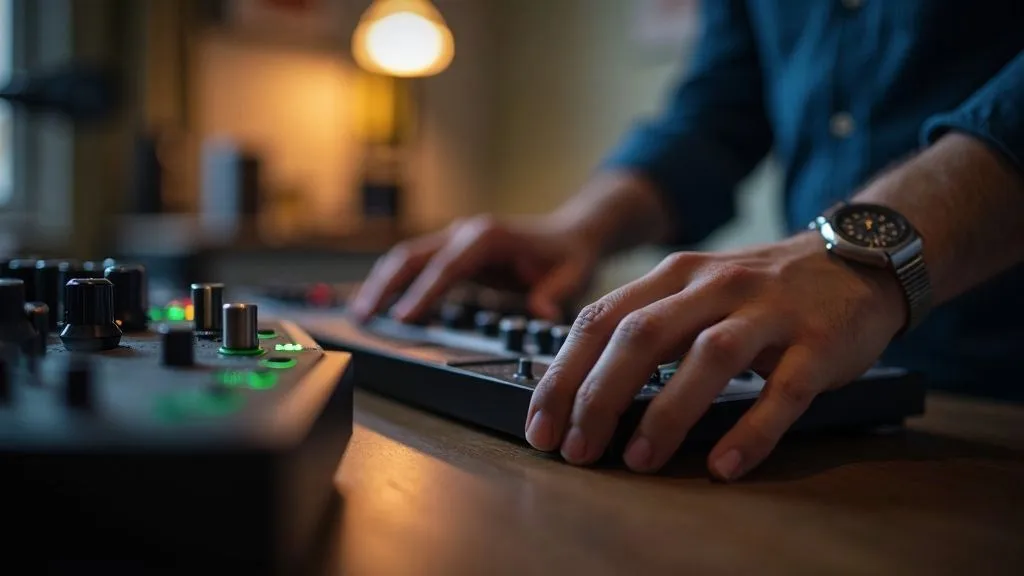
As the world around us becomes increasingly digital and fast-paced, we often overlook the quality of the audio experiences we consume daily. From the music we stream while commuting to the podcasts we enjoy during workouts, the audio landscape shapes our daily lives. Yet, how often do we pause to consider the tools behind these experiences? In an era of convenience and accessibility, the question remains: why should we invest in quality audio equipment?
Critics often argue that the difference between high-end audio gear and more affordable options is negligible, especially for casual listeners. After all, many people use their smartphones or laptops to stream music through inexpensive headphones or built-in speakers, and they seem perfectly content. This perspective holds merit in that low-quality audio gear serves its purpose for basic listening. However, it misses a crucial point about the transformative power of high-quality audio.
The human ear is remarkably attuned to sound nuances, a fact that high-fidelity audio equipment harnesses to enhance our listening experience. Unlike the compressed audio files typically streamed on most platforms, high-quality audio equipment can reproduce a wider frequency range and deeper soundstage, illustrating subtle details in music that are otherwise lost. For the audiophile, this could mean hearing the delicate strum of a guitar string or the intricate layering of harmonies in a choral piece—uncovering hidden gems within familiar tracks.
The Case for Quality Audio Equipment
Investing in quality audio equipment is not merely about better sound; it’s also about cultivating an appreciation for the artistry involved in music production. Good equipment opens the door to a more authentic listening experience, allowing one to truly connect with the nuances and emotional depth of the music. The richness of a well-recorded jazz album or the thundering impact of a live orchestral performance becomes palpable when experienced through a capable sound system.
One may argue that with advancements in mobile technology, the convenience of portable audio has relegated traditional home audio systems to the past. While it’s true that portable devices offer convenience, they often sacrifice sound quality for portability. Bluetooth speakers and wired headphones, if not chosen carefully, may poorly represent the audio spectrum, leading to a diminished listening experience.
Quality audio equipment, including components such as DACs (Digital-to-Analog Converters), high-fidelity headphones, or premium speakers, becomes essential for anyone serious about sound. Properly calibrated audio setups, complete with room acoustics considerations, can entirely change the way we hear music. Suddenly, music transforms from background noise into an immersive experience that can invoke emotions and memories.
The Economics of Audio Equipment
Yet, there are understandable financial concerns tied to investing in high-quality audio gear. Premium equipment can indeed come with a hefty price tag, raising the question of whether the investment can justify the potential benefits. However, it’s worth considering the long-term value and enjoyment derived from quality audio equipment. A well-made pair of headphones or a meticulously crafted speaker system can last for years, providing countless hours of enjoyment.
Additionally, there is an argument to be made for the cost-per-use of quality equipment. If someone spends a significant amount of time listening to music or podcasts, why not invest in equipment that enhances that experience? The return on investment can be substantial when you consider the joy and relaxation that quality music can bring.
The Role of Streaming Services
Furthermore, the rise of high-definition streaming services like Tidal or Qobuz has made quality music more accessible than ever. These platforms offer lossless audio files that pair wonderfully with quality audio setups. The emergence of these services is pushing the boundaries of what we perceive as “good sound.” Investing in audio equipment that can utilize these high-resolution files means maximizing every dollar spent on music subscriptions.
On the flip side, some argue that manufacturers often market audio equipment with excessive hype, leading consumers to buy into the notion that they need to spend exorbitant amounts for a measurably better experience. This perspective acknowledges that not all expensive equipment justifies its price. Components with significant returns on investment are the ones that truly stand out in the audio landscape.
Personal Connection and Audio Quality
Audio quality isn’t just a technical specification—it’s a deeply personal experience. The process of discovering music can be profoundly influenced by the equipment used to listen to it. For instance, the first time one listens to an orchestral piece through a high-quality audio system, the spaciousness and precision of sound can create a memorable moment, forever linking that music with the experience. It’s about creating a bond between the listener and the art form itself.
Moreover, enthusiasts often find community and camaraderie in music appreciation. Audio shows and local meetups offer space for people to share their love for music, exchange recommendations, and explore the nuances of sound together. Sharing these experiences fosters connections not just to the music but also to the people who appreciate it.
The Technological Evolution of Audio Equipment
As technology continues to advance, newer generations of audio equipment have become smarter and more efficient. Wireless technology, such as Bluetooth and Wi-Fi streaming, has evolved, enabling an increase in sound quality previously thought to be unattainable through wireless means. Additionally, smart speakers integrate seamlessly into everyday life while still providing a commendable audio experience for casual listeners who might otherwise shy away from traditional setups.
The landscape of audio equipment is also shifting as manufacturers increasingly focus on sustainable practices and eco-friendly materials. Audiophiles can now consider the environmental impact of their purchases alongside sound quality, so they can align their choices with personal values. This evolution is not merely a trend but a fundamental shift towards a more conscious consumer culture within the audio space.
Creating Your Audio Experience
For those looking to invest in their audio setups, it’s important to assess individual needs and preferences before making a purchase. A balanced approach is key—finding the right combination of components that provide the most satisfaction without overextending financially. Entry-level audiophile products can offer substantial improvements in sound quality without breaking the bank.
Start with a solid pair of headphones or speakers and a good amplifier that can drive them. Researching and testing different combinations can be incredibly rewarding, as the perfect match might be just around the corner. Moreover, investing in the room’s acoustics, such as adding rugs and cushions to soften hard surfaces, can significantly enhance the listening experience by reducing unwanted reflections and reverberations.
The Future of Audio
So, as we navigate through a digital-first world where convenience reigns, it’s essential not to neglect the importance of quality audio equipment. The investment in superior audio gear goes beyond just better sound—it’s about fostering a connection with art, enhancing personal enjoyment, and discovering a community of like-minded enthusiasts. Appreciating music, podcasts, and other audio content through quality equipment transforms simple listening into an enriching experience.